 CAMEROON NATIONAL
SHIPPERS' COUNCIL
CAMEROON NATIONALOn 1 January 2026, the Common External Tariff (CET) officially came into force in Cameroon, marking a decisive step in the regional economic integration process. This reform seeks to harmonize customs duties between Member States of the Economic Community of Central African States (ECCAS) and the Economic and Monetary Community of Central Africa (CEMAC).
The CET was approved on 18 October 2024 by 11 ECCAS member states, including Cameroon, the main objective being to unify customs tariffs applicable to trade with third-party countries. This should stimulate the competitiveness of national economies, facilitate trade and broaden the sub-regional market, while consolidating the harmonization of regional trade policies.
According to the Directorate General of Customs (DGD), the CET has a tariff structure with customs duties ranging from 0% to 40%, depending on the nature of the imported product.
For illustration purposes:
• The 0% rate shall apply to cereal seeds, and to vehicles and machinery used in air transport.
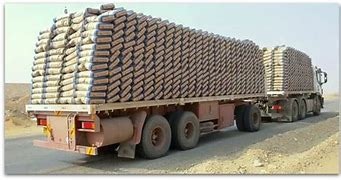
• Rates ranging from 5% to 20% shall apply to live animals (poultry, horses), passenger vehicles, tractors, dairy products, construction materials (such as cement), ships, certain industrial and non-industrial pumps and machinery, and parts of medical equipment.
• The 20% rate shall apply to pork and beef, fish, crustaceans, and reptiles coming from outside the sub-region, including toys, musical instruments, weapons, ammunition and furniture.
• The maximum rate of 40% shall apply particularly to cocoa powder, tobacco products, certain pharmaceutical waste, mineral water, tonic drinks, cotton and polyester fabrics, ready-to-wear clothing and accessories, as well as hair extensions.
Also, railway rolling stock is subject to customs duties of between 5% and 10% once it enters ports in the sub-region.
It is worth noting that CET customs duties are separate from national taxes, such as value-added tax (VAT) and excise duties, which remain applicable in accordance with the regulations in force in each Member State.
The application of the Common External Tariff is part of a wider drive to modernize trade policies and strengthen regional economic integration, in line with the objectives of the African Continental Free Trade Area (AfCFTA). It thus constitutes a strategic lever for developing trade, enhancing the competitiveness of business persons and fluidifying international trade in Central Africa.

Recent news
Cross-border trade: PAPSS: facilitating payments in Central Africa
At the Pro Meet Up 5 business forum held from 1 to 5 June 2026 in Yaoundé, Mr. Mike Ogbalu III, CEO of the Pan-African...
Consultation: CNSC welcomes executives from CAMINA JINDAL
On Monday 13 July 2026, the General Manager of the Cameroon National Shippers' Council (CNSC), Mr. Auguste Mbappe Penda,...
CALL FOR EXPRESSIONS OF INTEREST
No. 007/CNCC S.A/DG/CCGM/2026 OF ________________